Pravata Lab Research Artwork

Uncovering the Molecular Logic of Neurodevelopment through Post-Translational Modifications

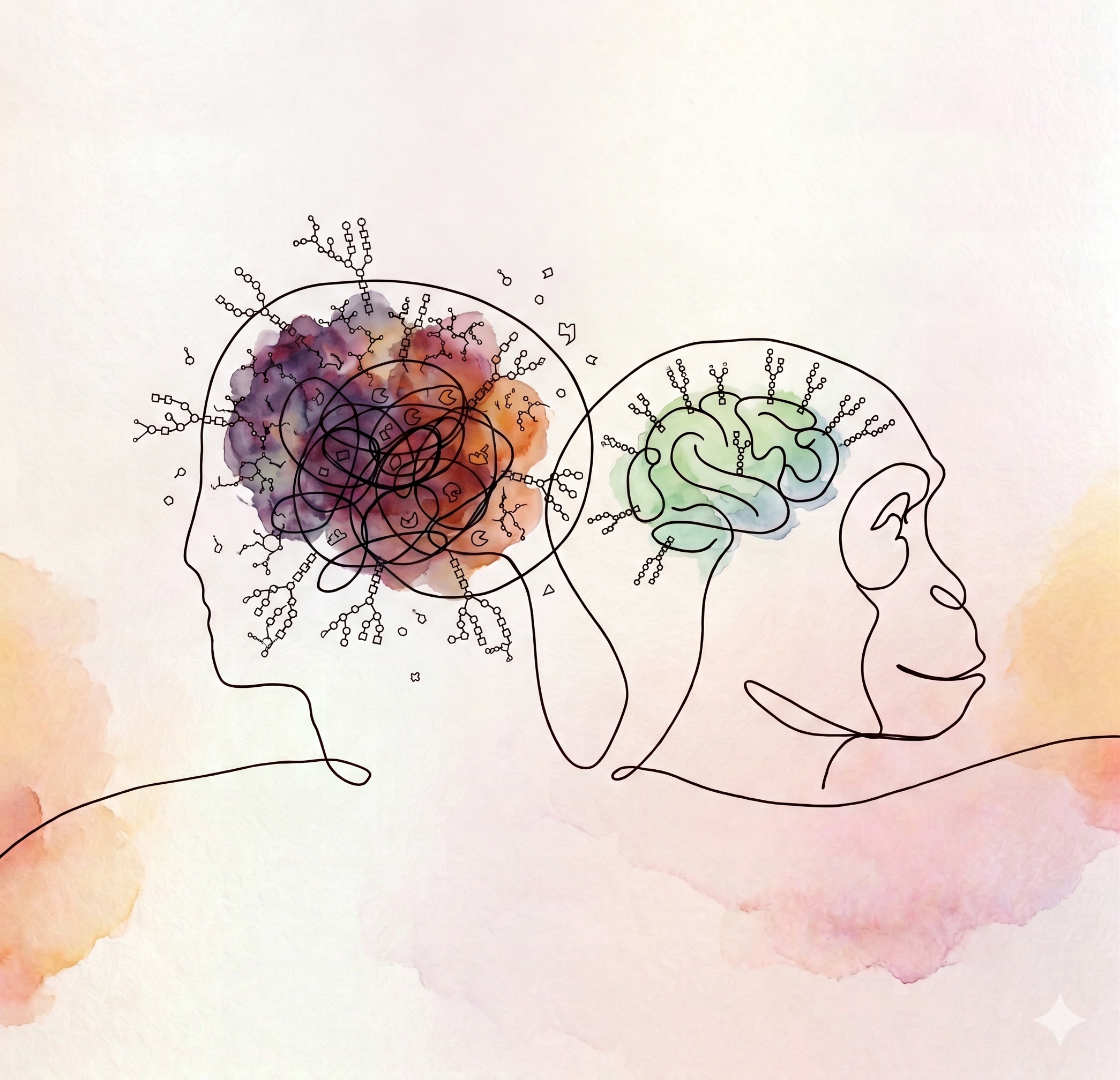
At the Pravata Lab, we study human brain development in the context of post-translational logic. Although genetics provide the basic blueprint, we investigate how protein modifications dictate the final architecture of the brain. Using advanced induced pluripotent stem cell (iPSC)-derived neural organoids, our group maps the neural glycoproteome throughout development. By combining quantitative mass spectrometry, advanced imaging and single-cell RNA sequencing (scRNA-seq), we are decoding how the 'glyco-code' wires the human cortex, how it is disrupted in neurodevelopmental disorders and how it changes across primate evolution — ultimately creating new paradigms for understanding the brain.

Research Areas

Evolutionary Dynamics of the Neural Glycoproteome

Evolutionary Dynamics of the Neural Glycoproteome

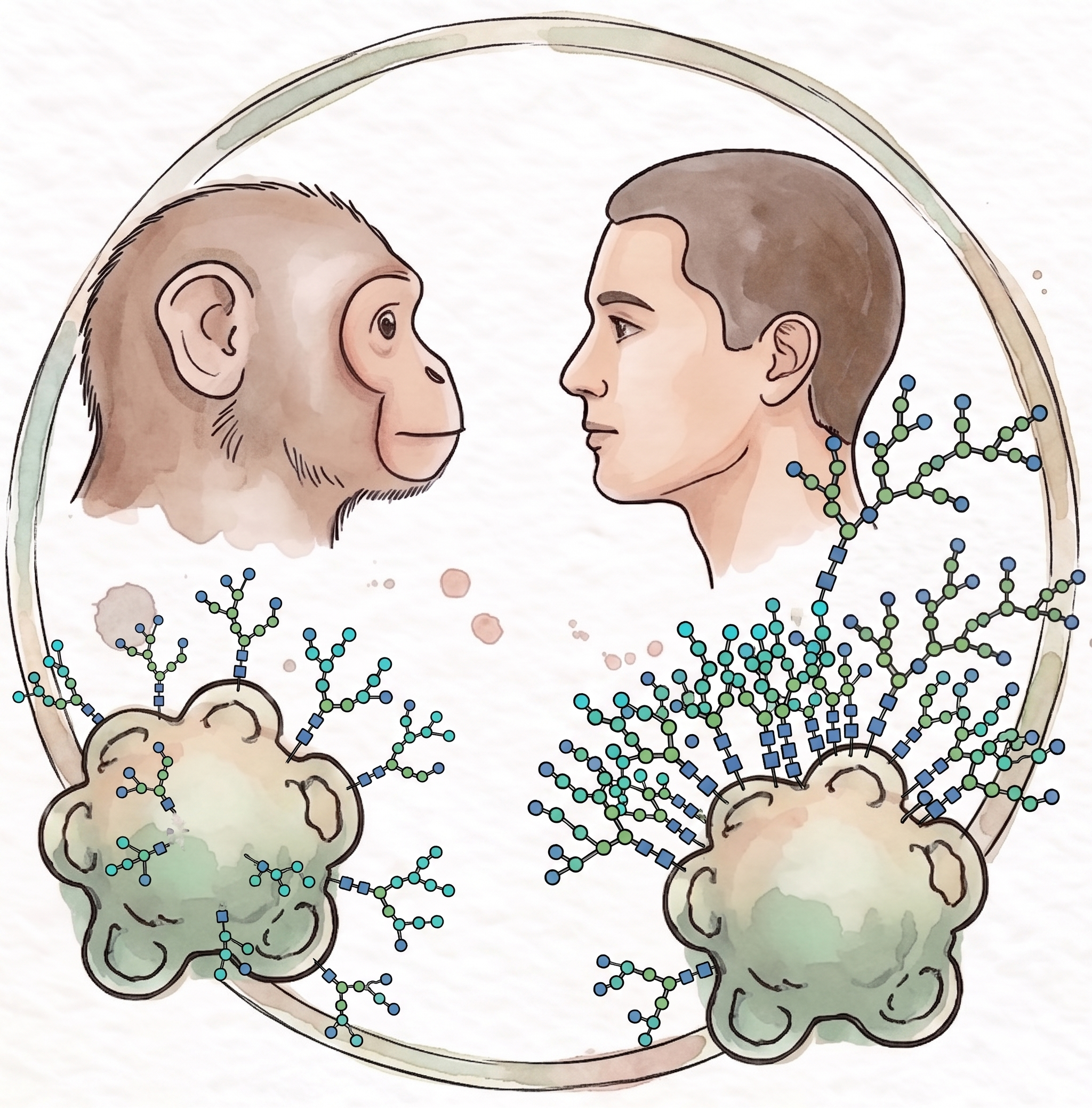
To understand what makes the human brain unique, we must look beyond the genome. We use iPSC-derived neural organoids to map the spatiotemporal dynamics of protein glycosylation during cortical development. By mapping these glycoproteomic profiles across different cell types, developmental stages and evolutionary contexts, we aim to uncover how post-translational modifications have shaped human neurogenesis and driven the evolution of the human brain.
Mechanisms of Congenital Disorders of Glycosylation (CDG)

Mechanisms of Congenital Disorders of Glycosylation (CDG)

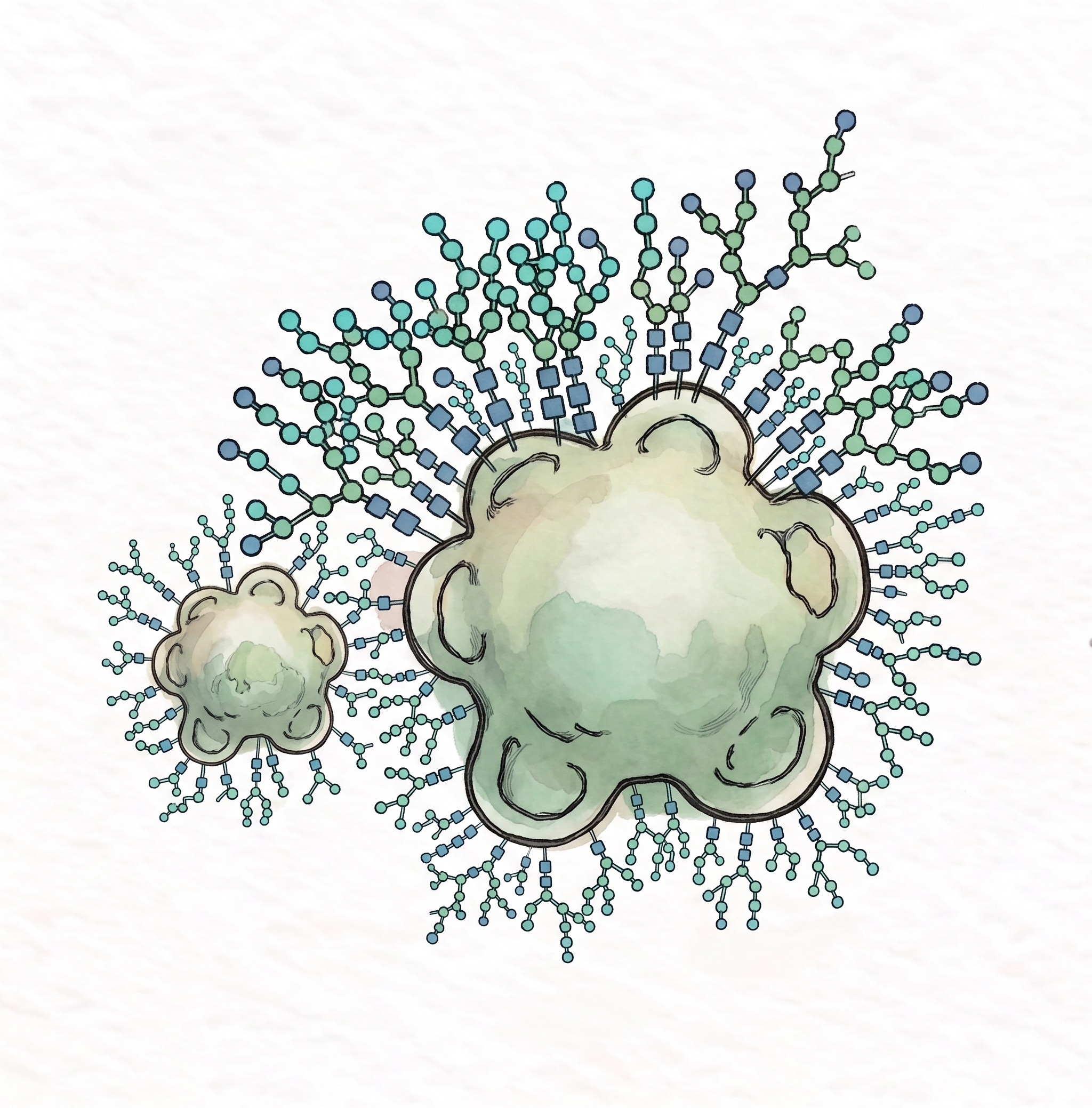
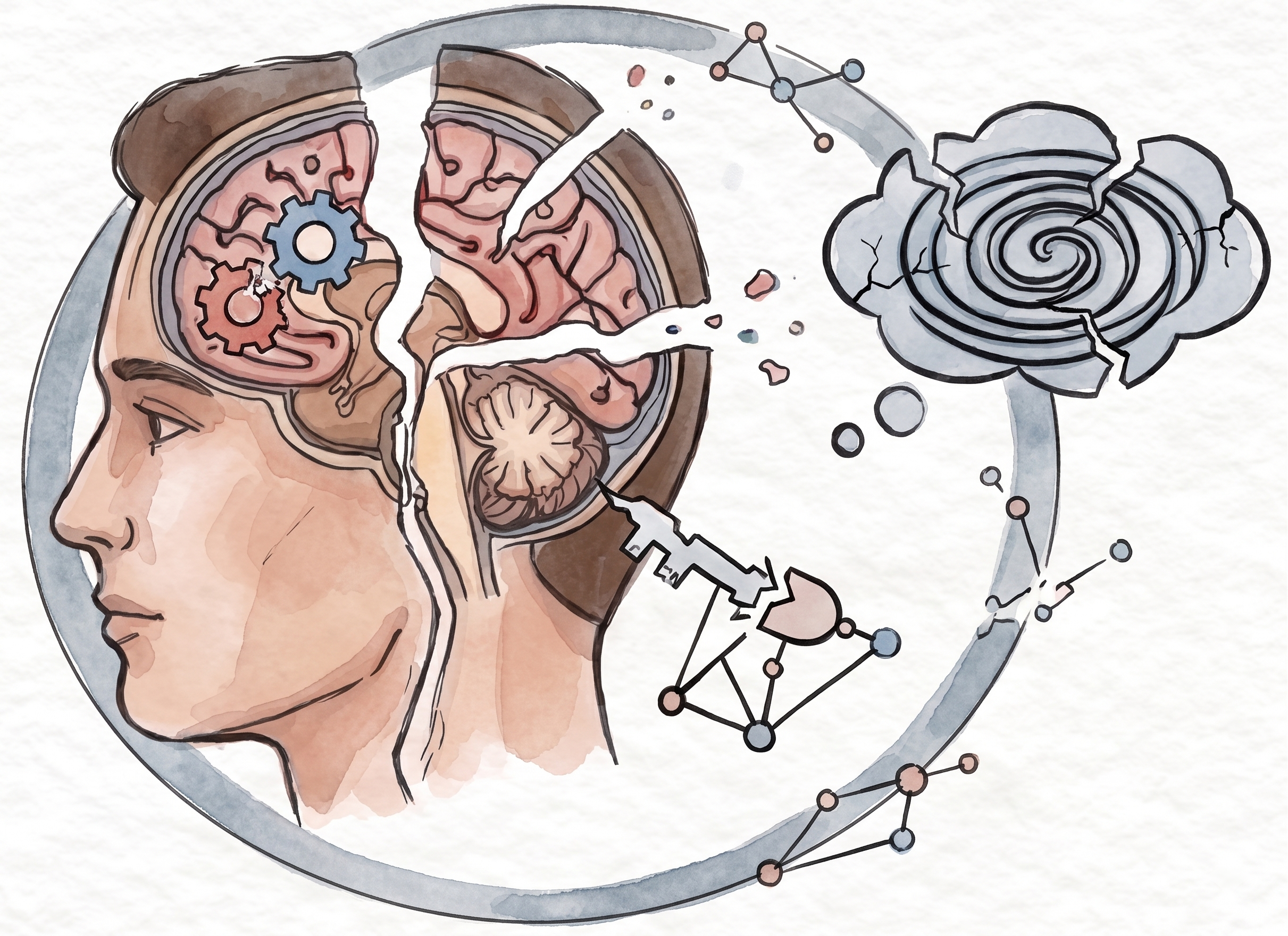
Congenital Disorders of Glycosylation (CDGs) provide a powerful window into the necessity of precise glycan structures for brain architecture. To understand the etiology of these rare diseases, we leverage advanced CRISPR Prime Editing in neural organoids to model patient-specific mutations. By observing how these specific glycoproteomic deficits derail cell fate, neural migration, and neurogenesis, our goal is to uncover the mechanistic roots of CDGs and identify novel therapeutic targets.

Developmental Origins of Neuropsychiatric Disorders

Developmental Origins of Neuropsychiatric Disorders

While conditions like Schizophrenia are typically diagnosed later in life, they are increasingly recognized as disorders with deep neurodevelopmental roots. We investigate how early disruptions in the glycoproteome influence the foundational events of brain formation. By modeling the earliest stages of human cortical development, we aim to uncover how altered glycosylation affects neural progenitor dynamics, cellular migration, and neuronal specification, ultimately setting the stage for complex psychiatric traits later in life.

Lab Values

Inclusivity & Belonging

Inclusivity & Belonging

Excellent science relies on diverse perspectives. We are deeply committed to cultivating a safe, equitable, and welcoming environment. In our lab, every voice is heard and respected, ensuring that scientists from all backgrounds have the space and support to truly thrive.

Fearless Innovation

Fearless Innovation

We tackle bold questions in brain development by embracing new technologies and unconventional ideas. We view challenges and unexpected results not as failures, but as essential steps in the scientific process. Rigorous, curiosity-driven, and outside-the-box thinking is heavily encouraged.

Collaborative Spirit

Collaborative Spirit

Groundbreaking research is not a solitary endeavor. We foster a highly interactive, non-hierarchical environment where ideas are shared freely and peer-to-peer support is the norm. By combining our diverse expertise, we elevate each other's work and solve complex problems together.

Empowering Mentorship

Empowering Mentorship

We value the scientist as much as the science. Mentorship here is an active, tailored partnership based on mutual trust. You can expect structured guidance designed around your individual career goals, empowering you to build intellectual independence and become a leader in your field.

People

M. Veronica Pravata, PhD

M. Veronica Pravata, PhD

Principal Investigator

I am originally from Palermo in Italy. My scientific journey began with a BSc in Biotechnology at the University of Palermo, after which I earned my PhD in Biochemistry at the University of Dundee under Professor Daan van Aalten. While investigating the O-GlcNAcylation enzyme (OGT) there, I realised that genetics alone could not explain the dynamic complexity of cellular life, which sparked my enduring interest in post-translational modifications. To study this phenomenon in the brain, I moved to LMU Munich to undertake postdoctoral training in the laboratory of Professor Silvia Cappello. Moving into the field of neurobiology, I learnt to engineer induced pluripotent stem cell (iPSC)-derived neural organoids, integrating these advanced 3D models with OMICS to decipher the 'glyco-code' of the developing cortex. In January 2027, I founded the Pravata Lab, which bridges biochemistry and neurodevelopment by decoding how glycosylation shapes the human brain in health, disease and primate evolution. Beyond the laboratory, my career has instilled in me a deep commitment to mentorship, and I strive to foster an inclusive, collaborative and fearless environment in which the next generation of scientists can forge their own paths.

Researchers & Students

Postdoctoral Researcher

This could be you!

M.S. / B.S. Student

This could be you!

Publications

Loading...

News

September 2026

Paper Published in Science Advances

We identified a disrupted excitatory/inhibitory (E/I) balance in progressive myoclonus epilepsy type 1 (EPM1) neural organoids, driven by a functional alteration of the ventral signalling niche resulting from impaired EV dynamics and altered protein cargo. Read the paper here.

August 2026

Paper published in Nature Neuroscience

Another great piece of collaborative work with the Paquet lab has been published in Nature Neuroscience! We have developed a human induced pluripotent stem cell-based three-dimensional cortical brain tissue model (3BTM), which provides a platform for studying the physiological and pathological states of human brain tissue. Read the paper here.

June 2026

Paper published in Cell

We are happy to share a new collaborative publication in Cell! The study uncovers a completely unexpected nuclear function for cytoskeletal proteins, showing how they rewire neural stem cell fate and reshape our understanding of neurodevelopmental diseases. Read the paper here.

May 2026

Paper published in Nature

Our collaborative study on how species-specific cortical features are driven by developmental gene expression patterns is now published in Nature. Read the paper here.

Join Us

We are always looking for motivated Ph.D. students and postdocs. If you are passionate about neurodevelopment, post-translational modifications, and utilizing brain organoids to decode complex biology, we'd love to hear from you.

Please send an email with your CV and a brief statement of your research interests.

Contact Details

Email: PravataLab@gmail.com

Location: Friedrich-Alexander-Universität Erlangen-Nürnberg,
Institute of Anatomy, Kankenhausstrasse 9, 91054 Erlangen, Germany

Funding & Support